Learning Outside the Comfort Zone
Why three ISS students chose to take their studies abroad
Because ISS is a fully-online program, many of our students do the majority of their coursework from home, and most see this as a major benefit. After all, who wouldn’t prefer to watch a lecture on the rhetoric of science and medicine or the political ecology of the world food system while snuggled on the sofa with their dog?

But the three ISSers we’re profiling today chose to take their learning not just out of the house, but across the globe. And if they all agree on one piece of advice to fellow ISSers considering studying abroad, it’s this: just do it.
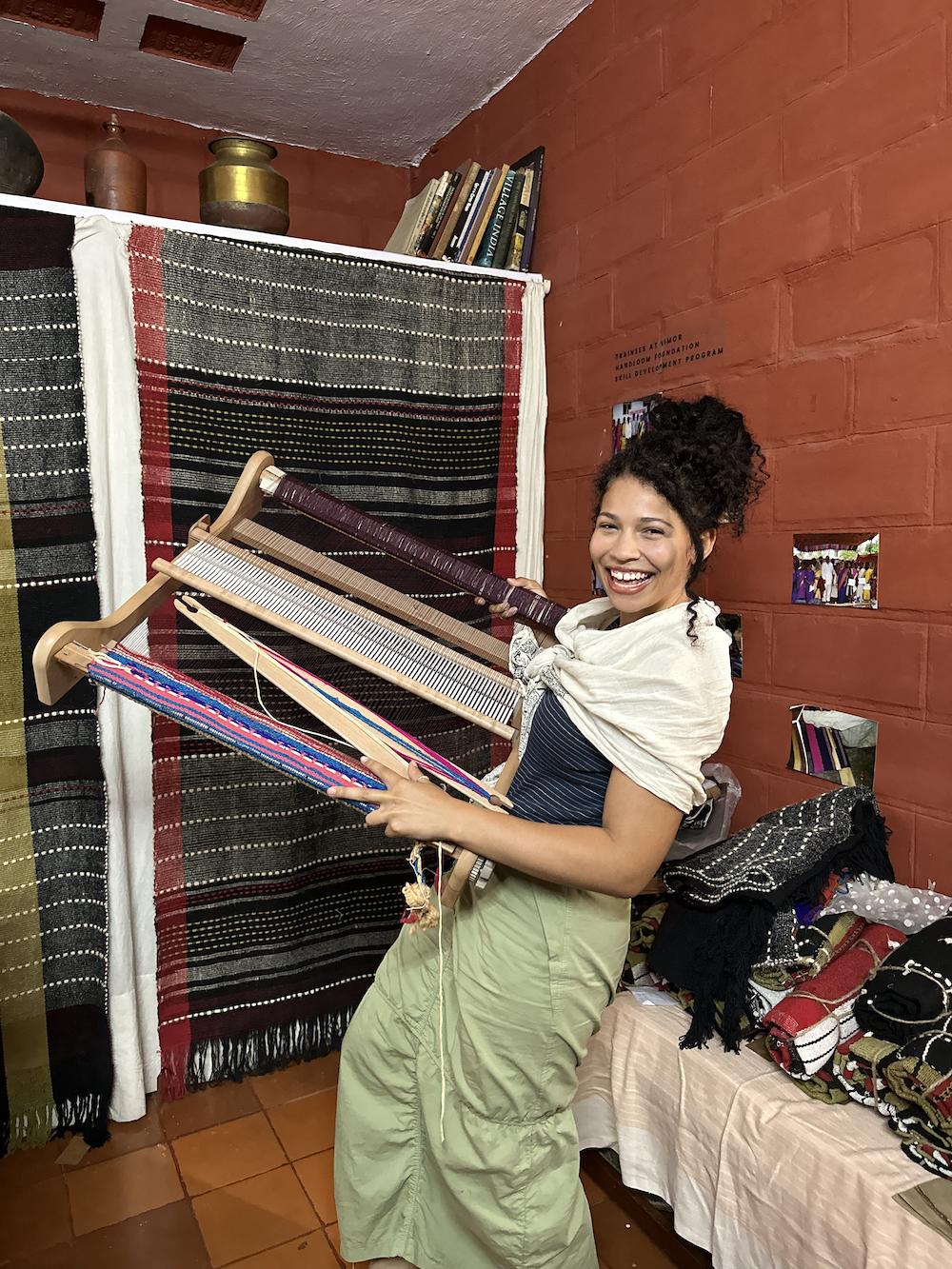
Kayla Pezolano has acquired a lot of study abroad wisdom over the course of three separate stints: two in León, Spain (with a short stay in Paris) and one in India. “You always hear about culture shock, but experiencing it firsthand is overwhelming,” Kayla shares. “You don't realize it's happening until it's already taken over. The perception of myself, my identity, and my race abroad was something I wasn't prepared to struggle with as much as I did. As I traveled to different countries, I found myself being very critical of their politics, especially when it came to race, since it's such a buzz topic and issue in the United States.”

ISSer Bethany Carden, who is studying at King’s College in London, agrees that the shift in self-perception was a surprising element of her study abroad experience. “I guess I didn’t realize how much I would change as a person,” says Carden. “I really have been amazed at how much I’ve learned being in a new cultural environment.”
However, as time went on, Pezolano shares, she could see more clearly that she was viewing her host countries through a U.S. lens, rather than assessing them in the context of their own history, culture, and issues. “As I continue to travel, I have learned to keep an open mind and try to understand the place where I am, rather than coming into it with a narrow perspective based on where I am from.”
Autumn Lamb chose a three-month program in Rome because of how well the subject matter dovetailed with her academic interests and ISS coursework. “When I read about this particular program (Honors Rome - The Global Refugee Crisis: From Devastation to Diaspora), it felt like exactly the right fit for me. I have studied colonialism, trauma, storytelling, and healing through my ISS courses, and I have worked internationally before in Haiti. So combining studies and prior experience with a dedicated program focusing on a different aspect of these themes felt like it would be a fantastic learning opportunity.”

Pezolano also found deep connections between her ISS coursework and her study abroad programs. For example, she shares, “I remember reading excerpts from a book in one of my ISS classes called The Violence of Green Revolution by Vandana Shiva. Later, when I found myself in India, I was able to see the effects of this social issue firsthand.”
“The coursework itself brought the material I had been learning into a real life context,” Lamb adds. “It took material from theory to practical, which brought a richer experience to being part of the ISS program."
“One thing I have told my kids numerous times is that I am not going to let fear stop me from having the adventure. If anything, my life is a testament to the fact that you can show up fearful, with knees knocking, and still have amazing experiences.” - Autumn Lamb
Carden concurs: “In taking courses abroad, I gained new perspectives that helped me to re-evaluate what I’ve learned so far in my ISS coursework. It’s also enhanced and broadened my knowledge in the social sciences, specifically in my areas of interest (international relations, politics and social justice).”
All three students also shared that the opportunity to learn in person with their study abroad cohort was a huge benefit that helped bring a sense of balance to their 100% online ISS experiences.
Asked for their advice for fellow ISSers whose hearts are calling them abroad, Carden, Pezolano, and Lamb are all in agreement that the opportunities for intellectual and personal growth are well worth the mental, logistical, and financial hurdles involved. (On that last one, Pezolano advises: “Don't assume that studying abroad is only for those who can afford it. If funding is an issue, consider looking into programs in countries where the total cost of the program may be less. I [also] highly recommend researching funding opportunities as there are many grants and ways to fund your study abroad program.”)
“Experiencing life outside the US is life-changing in a myriad of ways,” says Lamb, “and opens you up to so many ideas and possibilities, and might lead you in the direction you'd like to go after graduation.”
“It’s a huge and scary step, but the experiences are invaluable,” says Carden.
“The truth is that nothing can fully prepare you,” says Pezolono, “Take the leap!”
Interested in exploring study abroad opportunities? Check out the UW Study Abroad homepage.